|
Getting your Trinity Audio player ready...
|
US Draft Resolution
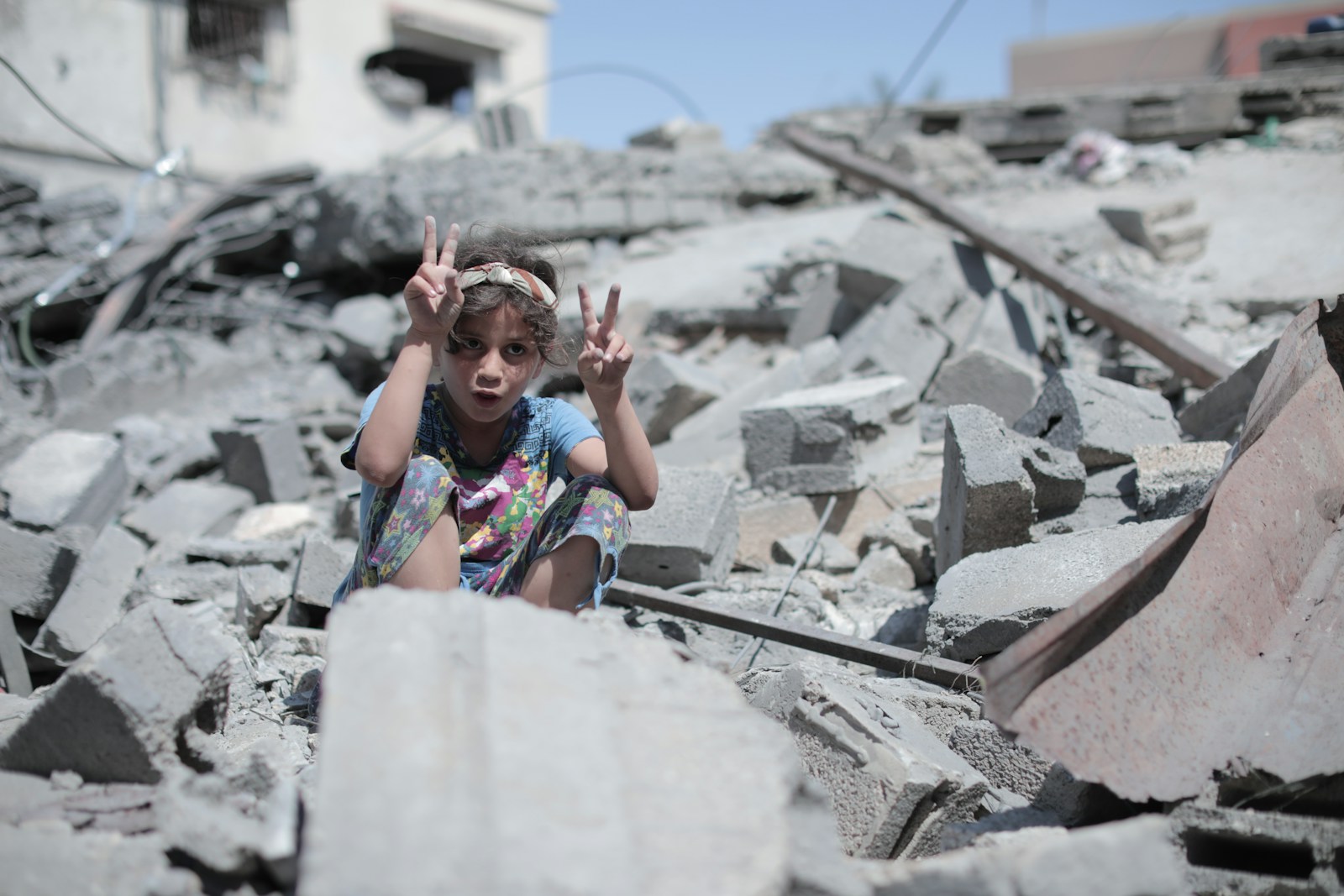
The United States has formally submitted a US draft resolution to the United Nations Security Council (UNSC) supporting a transitional governance structure in the Gaza Strip. The resolution lays out plans to endorse a framework outlined in what Washington describes as a major peace initiative — giving the U.S. a central role in stabilising the territory following years of conflict.
The submission comes at a time when Washington is seeking to reassert its leadership in the Middle East and shift the calendar of diplomacy from long-running negotiations to actionable frameworks. By sponsoring the resolution, the U.S. is seeking to anchor both its influence and the institutional architecture of Gaza’s next phase.
Key Provisions of the US Draft Resolution
The draft outlines several strategic points:
-
Endorsing a transitional government for Gaza to oversee the first phase of the peace plan.
-
Authorising an international stabilisation force aligned with the peace framework.
-
Recognising regional partners — including Egypt, Qatar, the UAE, Saudi Arabia and Turkey — as participants in the stabilisation effort.
-
Elevating the role of the U.S. as convenor and guarantor of the process.
These provisions signal Washington’s intent to move beyond diplomacy alone and embed itself structurally in the region’s next steps — not merely as a mediator, but as an architect of transition.
Why This Matters
The submission of the U.S. draft resolution is significant for several reasons:
-
Redefining U.S. role: It moves U.S. diplomacy from a brokerage role to a leadership role in coordinating post-conflict governance in Gaza.
-
Strategic messaging: By placing the resolution at the UNSC, Washington is telling both allies and rivals that it remains active and influential in the Middle East.
-
Regional ripples: For states like Egypt, Qatar, Saudi Arabia and the UAE, the resolution offers a chance to deepen cooperation with the U.S., but also raises questions about sovereignty and regional agency.
-
On-the-ground outcomes: Should the resolution pass, implementation will require resources, coordination and oversight — tasks that carry both risk and opportunity for humanitarian, military, and political actors.
Local Parallel: Implications for U.S. Hubs like Houston
Though this drama plays out on the global stage, U.S. domestic hubs such as Houston may feel indirect effects. Houston, with its large immigrant-Diaspora communities, global energy and logistics links, and large federal contracting footprint, is sensitive to shifts in U.S. foreign-policy posture.
-
Diaspora connectivity: Immigrant communities in Houston often follow policy developments such as those in Gaza, which can influence local activism, remittances, and regional affiliations.
-
Economic ties: A greater U.S. role overseas may lead to shifts in defence, reconstruction and humanitarian contracting — sectors with footprints in Texas.
-
Strategic signalling: Houston’s position as a global logistics and trade hub means it reflects the U.S.’s outward-looking posture; when Washington pivots internationally, local business outlooks may adjust.
What to Watch Next
-
Voting date and outcome: The draft resolution’s schedule and whether it secures enough support at the UNSC.
-
Implementation mechanics: How the transitional government and stabilisation force will be constituted and funded.
-
Regional and rival responses: How Russia, Iran, and other regional actors will respond to U.S. sponsorship and influence in Gaza’s transition.
-
Domestic political impact: How this move will play into U.S. election-cycle dynamics, and how states like Texas engage or respond politically.