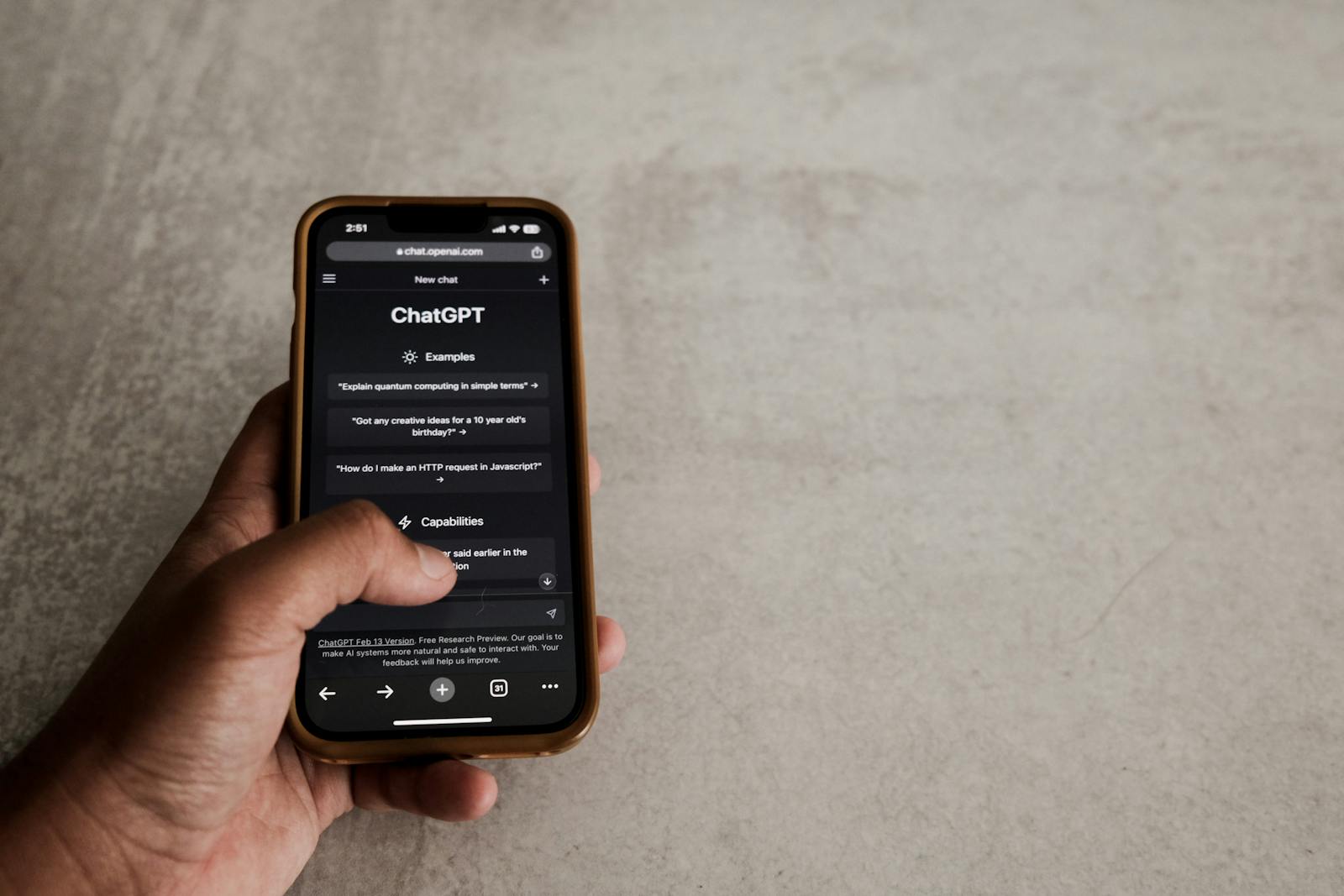
OpenAI has rolled out a groundbreaking update: ChatGPT can now interact directly with third-party apps inside chat conversations. Gone are the days when ChatGPT offered static text responses; it’s evolving into a dynamic platform where apps like Spotify, Canva, Zillow, Expedia, and more are embedded natively.
This shift is powered by a new Apps Software Development Kit (SDK), which gives developers tools to build app-like experiences that blend seamlessly into conversation. The move promises to change how we think about AI assistants, turning ChatGPT from a reactive chatbot into a hub for multi-app workflows.
Below, we explore how this works, what early apps look like, the benefits and risks, comparisons with existing digital ecosystems, and what this means for users, developers, and the future of AI interfaces.
What’s New: Apps Inside Chat
Embedded App Experiences
With the update, when users mention an app by name—say, “Spotify, make me a playlist”—ChatGPT can call the Spotify app in context, pull up relevant functionality, and respond right inside the chat window. No switching to a separate app or web page is required.
ChatGPT also now suggests relevant apps proactively. For instance, if your conversation involves exploring homes or real estate options, ChatGPT might surface Zillow with listings right inside the chat.
Under the Hood: The Architecture
This capability rests on a protocol known as the Model Context Protocol (MCP), which gives ChatGPT access to data sources, workflows, and external tools linked to connected apps. The apps integrate as “tools” within ChatGPT’s environment.
Developers can use the Apps SDK (preview version currently available) to build these integrations. Over time, a full developer directory and monetization infrastructure are expected to follow.
Early App Partners
Among the first apps to appear inside ChatGPT are Spotify, Canva, Zillow, Expedia, Booking.com, Coursera, and Figma. These partners show a range: entertainment, creativity, real estate, travel, learning, and design.
Future additions are expected to include apps like DoorDash, Uber, Instacart, and AllTrails — adding food, mobility, and outdoor tools to the mix.
The feature is already available to Free, Go, Plus, and Pro users, excluding users in the European Union for now.
Benefits & Impacts
For Users
-
Smoother workflows: No need to leave the chat to perform tasks—everything happens in one interface
-
Context-aware functionality: Apps respond based on the conversational context (e.g. “plan a trip to Paris” surfaces Expedia)
-
Unified experience: Instead of toggling among apps, users interact with a unified AI-powered environment
For Developers
-
New distribution channel: Apps can reach users inside ChatGPT without needing standalone installations
-
Lower friction: Developers can embed functionality inside conversation rather than building full front-end UIs
-
Monetization paths: With future plans for app publishing and commerce, revenue opportunities may open
For OpenAI
-
Platform leverage: ChatGPT is becoming more like an operating system than a chatbot
-
Ecosystem control: By owning the hub, OpenAI can shape distribution, monetization, and user retention
-
Technical challenge: Ensuring minimal latency, security, compatibility, and stable integration across apps
Challenges & Concerns
Privacy & Permissions
To integrate apps, ChatGPT needs access to data within those apps and the ability to interact with them. Users must grant permission and control which apps can read or write data, but that introduces trust and privacy risks.
App Security & Quality
Third-party integrations raise the risk of buggy or malicious behavior. OpenAI must vet app partners, enforce API standards, and create guardrails.
Fragmentation & Versioning
When an app lives inside ChatGPT, updates, feature parity, and version control become complex. Developers must ensure their ChatGPT embed remains synchronized with the native app version.
Performance & Latency
Seamless app integration demands low latency and predictable responses. If the embedded app is too slow or unresponsive, user experience may suffer.
Ecosystem Balance
OpenAI must resist favoritism—ensuring that its own services or partner apps don’t gain unfair advantage inside the ChatGPT ecosystem.
Comparisons & Context
From Widgets to Embedded Apps
Previously, ChatGPT and other platforms used embedding tools, plugins, or “mini-apps” with limited scope. The new in-chat app experience is deeper: full-functionality embedded modules, context aware, bidirectional.
Versus App Stores & Platform Ecosystems
While Google and Apple have app stores, ChatGPT’s in-chat Apps model blurs lines. It’s not just distribution—it’s integration. Users don’t “go to” an app; the app comes to the conversation.
Platform Power Shift
This move pushes ChatGPT closer to a “chat operating system” model—where the AI hub runs tasks, apps, and experiences. Users might spend less time in separate apps, and more inside ChatGPT as the central interface.
Use Cases & Scenarios
Here are some compelling examples of what the new app integration enables:
-
Travel planning: “Expedia, find flights to Paris next month” — ChatGPT can book, check options, filter, and show results
-
Design creation: “Canva, design a social media post for my bakery” — ChatGPT can generate draft designs inside chat
-
Music playlists: “Spotify, create a party playlist for tonight” — ChatGPT can generate and preview playlists
-
Learning & courses: “Coursera, show me data science courses under $50” — ChatGPT can browse and recommend
-
Real estate browsing: “Zillow, find 3-bed homes under $500k in Houston” — ChatGPT can surface listings & maps
These use cases illustrate how chat becomes the environment for multi-app workflows.
What’s Coming Next
-
Full app directory & marketplace
Soon users will browse a directory of verified apps, ranked by design, popularity, and performance. -
Developer monetization
OpenAI plans to enable in-app purchases or paid features within ChatGPT apps, giving developers revenue levers. -
Wider rollout and regional access
Initially previewed to early users, the integrated app experience will expand to more regions and user tiers. -
Expansion of app types
Beyond the first categories, expect grocery, transportation, productivity, finance, health, and IoT apps. -
Tighter system integration
On platforms like macOS or Windows, ChatGPT may embed deeper, reading app UI elements or interacting with local apps via accessibility APIs.
Implications for the Future
The integration of apps inside ChatGPT marks a defining moment in how we use AI. Rather than being a tool, ChatGPT is becoming an interactive platform—a central environment where tasks, creativity, exploration, and workflows converge around conversation.
For users, it offers simplicity and power. For developers, it opens new horizons. For OpenAI, it challenges them to deliver a reliable, secure, scalable system with fairness across partners.
We may now be witnessing the early formation of “AI-native platforms”—where conversation is not merely an interface, but the fabric through which digital experiences unfold.