Russian President Vladimir Putin has reignited fears of a new arms race by hinting that Russia nuclear tests could soon resume — a direct response to recent remarks by U.S. President Donald Trump boasting about America’s nuclear readiness.
The comment, delivered during a televised meeting of Russia’s Security Council, carried echoes of Cold War theatre: deliberate, symbolic and designed to remind Washington that Moscow still defines the tempo of deterrence.
Trump’s Rhetoric and Moscow’s Countermove
Putin claimed the potential revival of Russia nuclear tests would be “a measured reaction to American provocations.” Trump’s earlier statement — that the U.S. arsenal was “ready for anything” — appears to have prompted the Kremlin to revisit dormant nuclear capabilities.
Analysts believe the statement was less a military threat and more a political instrument. Yet even symbolic gestures can have real consequences. Testing, or the mere hint of it, sends shockwaves through markets, diplomacy, and defense postures worldwide.
Russia Nuclear Tests and the End of Restraint
For more than three decades, both Russia and the United States have upheld a voluntary moratorium on live nuclear detonations under the Comprehensive Nuclear-Test-Ban Treaty. But by publicly questioning that commitment, Putin is signalling that restraint has limits.
A renewed cycle of Russia nuclear tests would dismantle one of the last surviving pillars of nuclear stability. It could also trigger a domino effect, encouraging China, North Korea, and other nuclear states to follow suit. The specter of 20th-century brinkmanship is now creeping into 21st-century geopolitics.
From the Kremlin to Houston: Global Ripples of Nuclear Talk
While the focus remains on Moscow and Washington, the implications of Russia nuclear tests reach far beyond government bunkers. In Houston — a hub for global energy, aerospace, and defense contracting — renewed nuclear tension could reshape economic forecasts.
Rising geopolitical uncertainty tends to push up energy prices and redirect federal spending toward defense manufacturing. That means Houston’s energy traders, logistics companies, and engineering firms could all feel indirect tremors if Russia truly restarts nuclear testing.
The Return of Cold War Logic
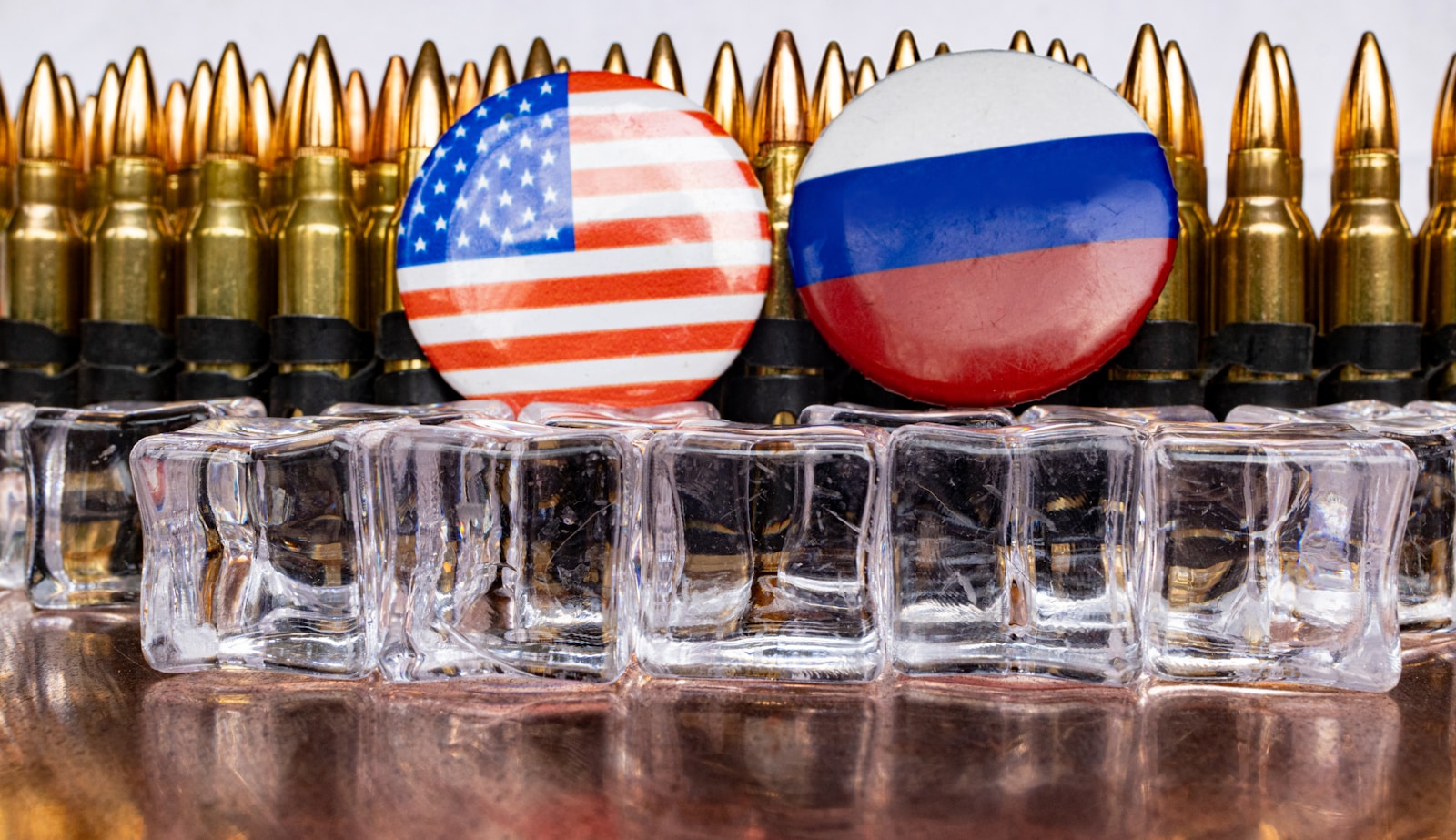
Putin’s tone was unmistakably nostalgic. He spoke of strength, sovereignty, and self-reliance — phrases that harken back to Soviet-era rhetoric. But unlike the past, modern Russia nuclear tests would unfold in an era of social media, satellite imagery, and global surveillance. Every plume of dust in the Arctic would instantly become a global headline.
This, experts argue, may be precisely the point: show power without firing a missile. In that sense, the threat of testing may be as potent as the test itself.
What Happens Next
-
Official Decision: Will the Kremlin authorize live nuclear tests or maintain strategic ambiguity?
-
U.S. Response: The Biden administration faces pressure to reaffirm America’s no-test stance while strengthening deterrence.
-
Allied Concern: European and Asian allies warn that even rhetorical escalation over Russia nuclear tests risks unraveling decades of arms-control diplomacy.
-
Energy Impact: Any military escalation typically drives oil and gas volatility — a critical issue for Houston’s energy-driven economy.
The global chessboard is shifting once again. With a single phrase, Putin has revived the oldest currency of power — fear — and turned Russia nuclear tests from a relic of the past into tomorrow’s geopolitical headline.