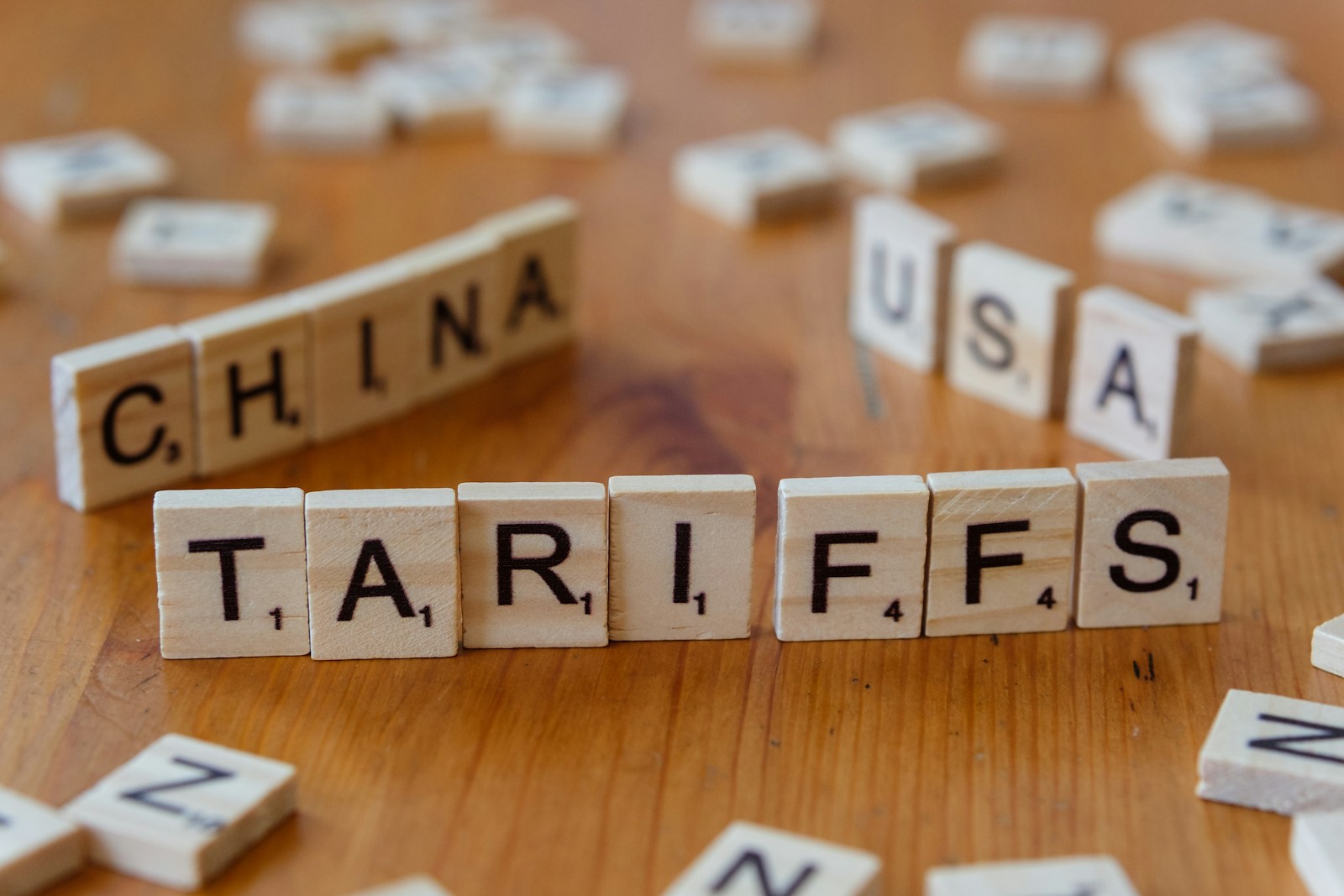
The debate over Trump tariff powers reached a pivotal moment this week as the Supreme Court heard arguments challenging the legality of global import duties imposed during the former president’s term. The case is set to determine how far executive authority extends in shaping national trade policy — and whether future presidents can use emergency powers to unilaterally reshape the global economic landscape.
What the Court Is Asking
At the heart of the hearing lies a constitutional question: did the president exceed his authority when invoking the International Emergency Economic Powers Act (IEEPA) — a 1977 law designed to address national security emergencies — to impose global tariffs?
Several justices expressed concern that using emergency powers to levy broad trade duties might stretch the law beyond its intended scope. Both conservative and liberal members of the Court questioned whether imposing tariffs — effectively a form of taxation — belongs solely within Congress’s jurisdiction.
The discussion reflects a deeper concern about the separation of powers: if the executive branch can impose sweeping global tariffs under emergency authority, where does legislative oversight begin and end?
Why It Matters for U.S. Trade and Business
The Court’s decision could have massive implications for American businesses and consumers. Billions of dollars in tariff revenues, collected under these emergency provisions, may be at stake. If the justices rule that Trump’s actions overstepped constitutional limits, companies affected by the tariffs could pursue refunds or compensation.
Industries tied to global trade — from manufacturing to energy — are watching closely. The uncertainty surrounding the case has already prompted some corporations to delay imports or renegotiate supply contracts, wary of policy whiplash.
For import-heavy economies such as Texas, and particularly Houston’s port-driven industries, the ruling could determine how competitive regional exporters remain in a shifting global market.
The Major Questions Doctrine and Executive Limits
A recurring theme in the arguments is the “major questions doctrine,” a legal principle holding that significant policy changes must be explicitly authorized by Congress. Several justices suggested that giving the president unchecked power to impose global tariffs risks eroding legislative control.
The outcome could redefine the modern presidency’s role in trade, drawing new lines between legitimate emergency action and legislative overreach. A ruling narrowing presidential discretion would mark a dramatic rebalancing of U.S. economic governance.
Local Impact: Why Houston Should Care
Houston’s economy depends heavily on international commerce. As the nation’s leading port for energy exports and one of its busiest import hubs, the region sits directly at the intersection of tariff policy and real-world trade outcomes.
If the Supreme Court curbs executive tariff powers, Houston’s industrial base — especially petrochemicals, energy equipment, and consumer goods — could see significant benefits through lower import costs and renewed stability in global contracts.
Conversely, if the ruling affirms broad presidential authority, local businesses may need to brace for continued unpredictability in international pricing, new compliance costs, and trade retaliation from foreign partners.
Broader National and Political Consequences
The case also represents a stress test for America’s balance of powers. Supporters of expansive presidential authority argue that swift executive action is necessary in a volatile global economy. Critics warn that unchecked use of emergency powers could undermine Congress’s constitutional role in taxation and trade regulation.
The verdict will likely shape future administrations’ ability to wield tariffs as geopolitical tools — whether to pressure adversaries, reward allies, or influence domestic industries.
Economists warn that unpredictable tariff regimes often lead to inflationary pressures, supply chain disruptions, and retaliatory policies from trading partners — consequences that ripple from Washington to every regional economy, including Houston.
What Comes Next
-
Court Ruling Timeline: A decision is expected by mid-2026, likely establishing a new constitutional benchmark for executive trade authority.
-
Congressional Response: Lawmakers may seek to clarify tariff powers through new legislation, restoring a larger role for Congress in trade policy.
-
Business Adjustments: Firms may hedge risks or restructure contracts depending on how the Court defines presidential limits.
-
Global Reaction: Key U.S. trade partners are watching closely — the verdict could influence future trade deals and tariff retaliation policies.