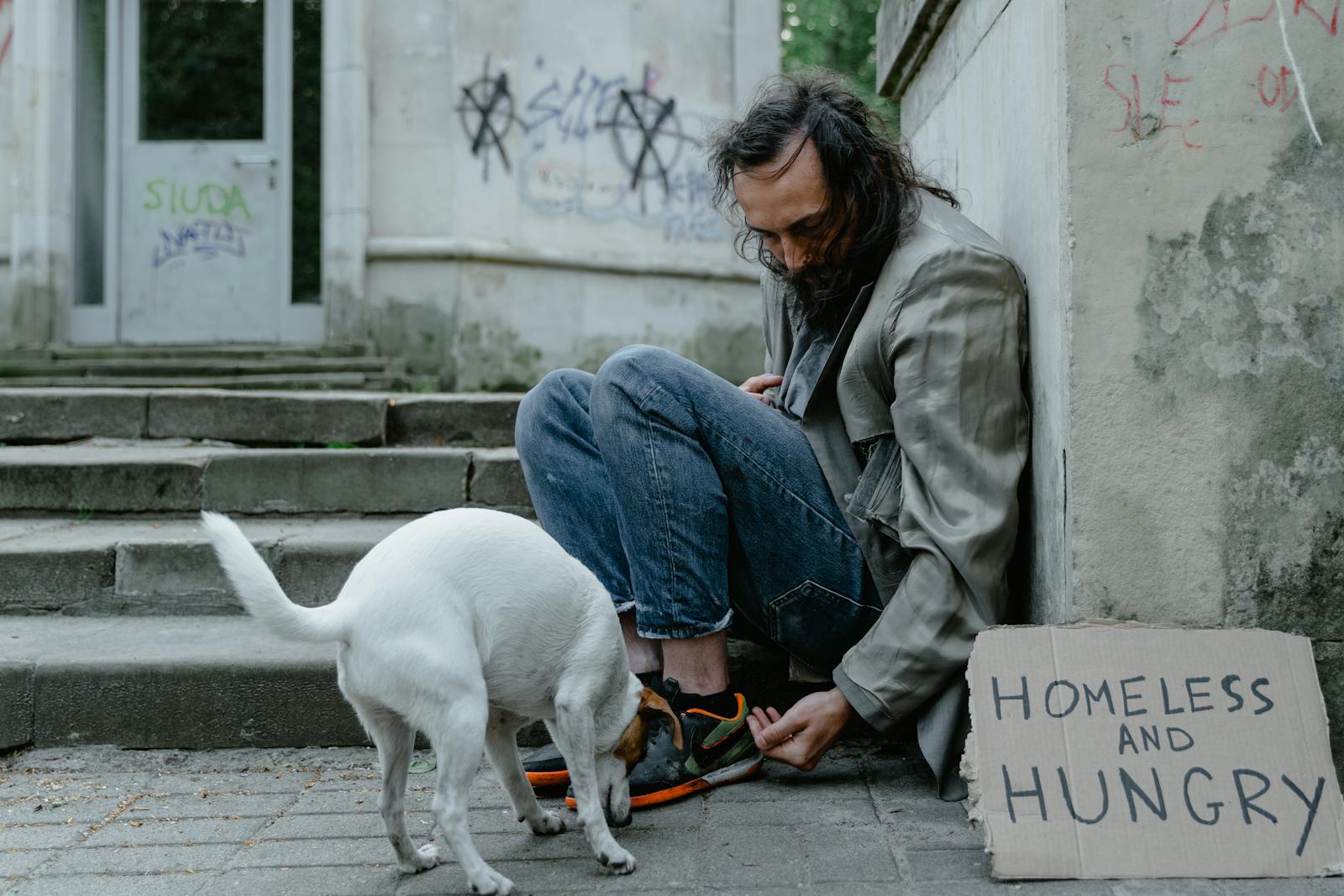
The Houston City Council has approved funding for a new $16 million centralized homeless services facility in the heart of downtown — a move city officials call a “critical step” toward addressing the region’s rising homeless population. The decision follows months of public debate, neighborhood resistance, and logistical challenges over where and how to provide long-term support for unhoused residents.
A Centralized Approach
The facility, expected to open in late 2026, will consolidate services currently spread across multiple agencies, including housing referrals, mental-health treatment, employment support, and substance-abuse counseling. City officials say the goal is to create a “one-stop resource center” where individuals can access help without navigating multiple bureaucracies.
“This is not just a shelter — it’s a system of care,” said Mayor John Whitmire, who championed the plan. “Houston has reduced homelessness more than most major cities in America, but we cannot stop now. This center brings compassion and coordination under one roof.”
The center will be located on the eastern edge of downtown, near existing bus and METRORail lines. The city says it will serve up to 400 individuals daily, offering both day and short-term overnight programs.
The Funding Breakdown
The $16 million package includes:
-
$10 million in city-issued bonds through the Capital Improvement Program
-
$4 million from federal housing grants
-
$2 million in private donations pledged by corporate and philanthropic partners
Ongoing operational funding will come from public-private partnerships coordinated by the Coalition for the Homeless of Houston/Harris County, which will manage the center under a five-year contract.
Mixed Public Reaction
While social-service organizations applauded the council’s vote, nearby business owners and residents voiced concern over safety, public behavior, and property values. Several downtown merchants urged city leaders to pair the project with stronger security and sanitation efforts.
“I’m all for helping people,” said James Ritter, who owns a small café two blocks from the proposed site. “But we need to make sure this doesn’t attract crime or overwhelm the neighborhood.”
Advocates countered that fears are overstated. “Facilities like this reduce homelessness — not increase it,” said Ana Morales, director of a local nonprofit housing group. “When people have access to care, the whole community benefits.”
Houston’s Homelessness Landscape
Houston’s coordinated housing model, often cited nationally, has reduced chronic homelessness by more than 60% since 2012, according to the Coalition for the Homeless. But recent economic stress, housing shortages, and mental-health crises have driven new waves of displacement.
As of the 2025 annual count, Harris County recorded roughly 3,700 people experiencing homelessness — a slight uptick from the previous year, reversing a decade-long downward trend.
The city has emphasized a “Housing First” approach, pairing affordable units with supportive services. However, demand for both emergency beds and transitional housing now exceeds capacity, prompting the push for a centralized service hub.
Design and Operations
Architectural renderings show a two-story facility featuring counseling offices, clinic space, showers, a cafeteria, and a job-training suite. Designers plan to incorporate trauma-informed architecture — natural lighting, calming materials, and open courtyards — to reduce stress and support recovery.
City engineers are also working to ensure the project aligns with Houston’s downtown redevelopment goals. Plans include landscaped public areas, security patrols, and transit coordination to minimize congestion.
Broader Urban Context
The center’s approval reflects a broader national trend: cities integrating homeless support systems into central business districts rather than isolating them in industrial zones. Advocates say the shift humanizes the issue and fosters accountability, while critics fear it may discourage investment.
Urban policy experts at Rice University note that Houston’s downtown has long struggled to balance revitalization with compassion. “This is the city testing whether economic development and social responsibility can coexist,” said Dr. Latrice Benton, a public policy researcher. “If this works, Houston could become a national model again.”
What Comes Next
Construction is slated to begin in spring 2026, pending environmental clearance and architectural permitting. The city will host additional community forums to finalize design elements and address resident feedback.
In the meantime, mobile outreach teams will expand temporary services under the city’s “Bridging the Gap” initiative, offering on-the-spot case management and medical care.
Final Reflection
The approval of Houston’s new homeless services center marks a decisive moment in how the city defines public compassion. It’s a test of civic will — one that demands both empathy and pragmatism. In a city known for resilience, the real measure of progress may not be in buildings or budgets, but in how effectively Houston opens doors for those who have none.